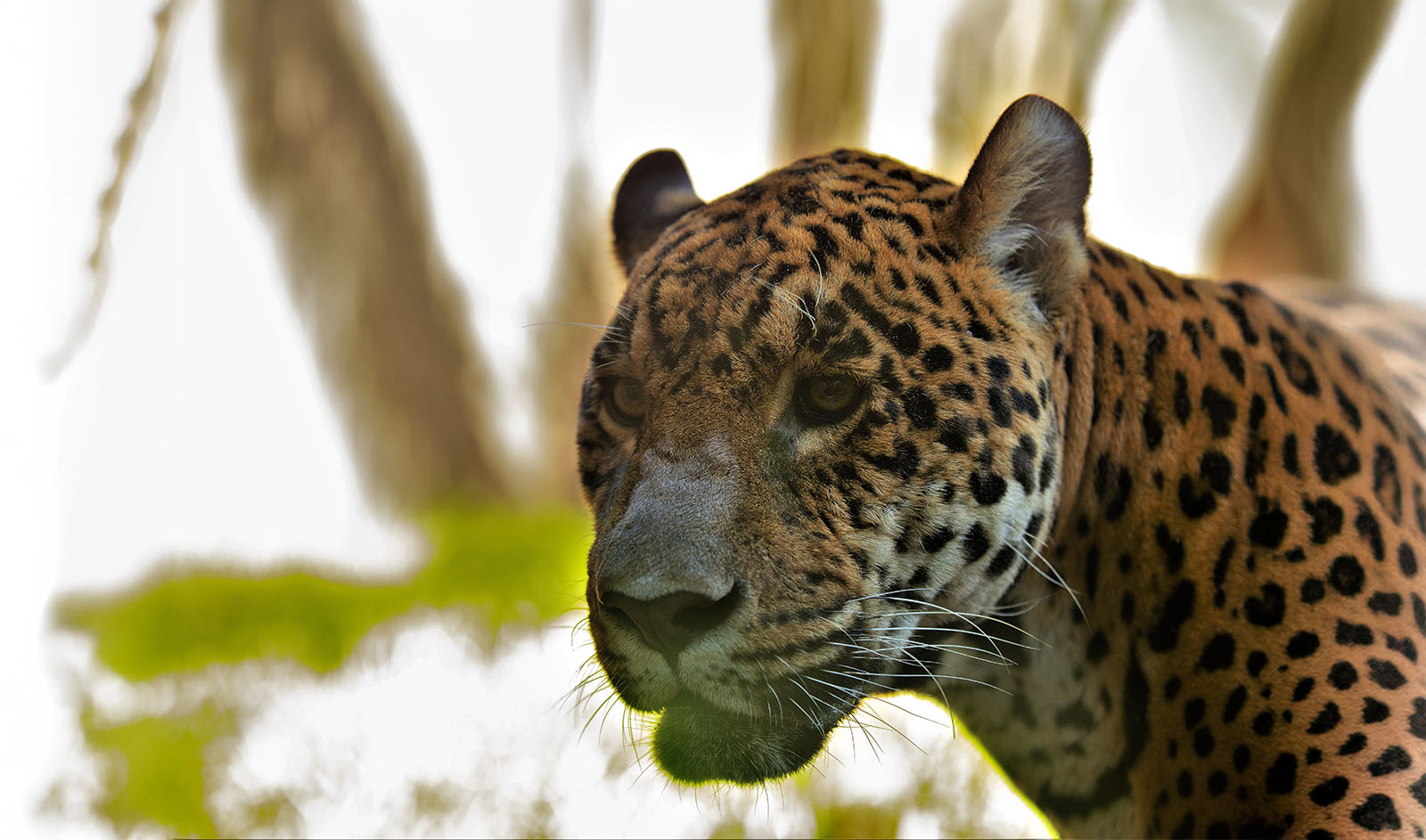
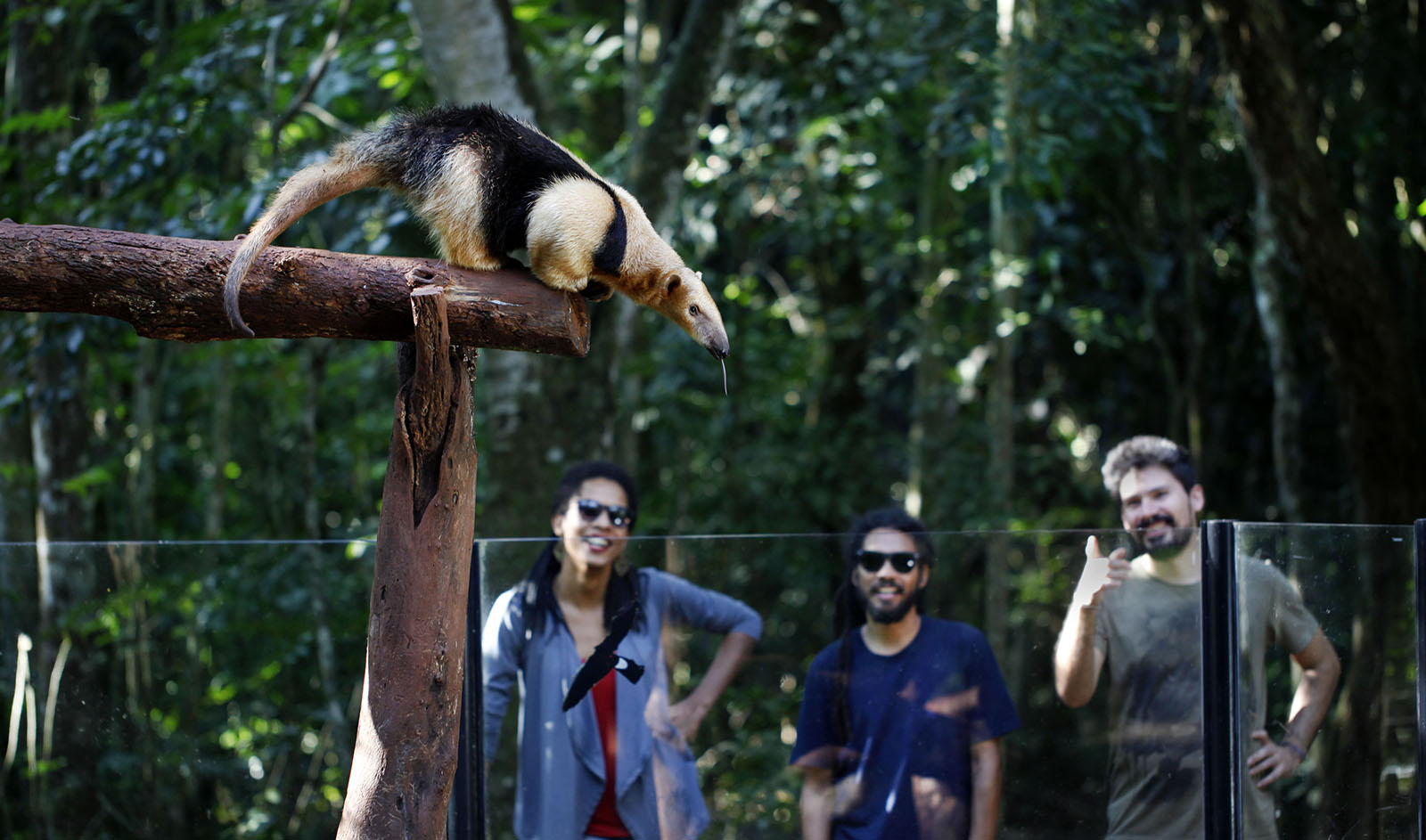
Ecotourism in Foz do Iguaçu is, above all, the chance to hike along trails in the Atlantic Forest, observe native wildlife, and gain a firsthand understanding of the region's environmental conservation efforts.
If you've already visited the Falls and want to deepen your connection with the local nature, this guide shows you the main ecological tours in Foz do Iguaçu — from the trails of the Iguaçu National Park to the aviaries of the Bird Park, and how the Biological Refuge fits into this itinerary, with the planting of native trees, guided walks, and rescued species that you would hardly see otherwise.
Throughout the text, you will also discover how the visit works, what animals you might encounter along the way, and finally, how to book the tour in advance so you don't miss out during peak demand periods.
What is ecotourism and why is Foz do Iguaçu ideal for it?
Ecotourism is a type of travel focused on observing and experiencing preserved natural environments, generally with an educational focus and low environmental impact.
In other words, it's different from a typical tour: here, the experience revolves around learning about the ecosystem being visited, not just observing it.
Foz do Iguaçu offers unique conditions for this type of tourism. After all, the city is located in the middle of one of the largest remaining fragments of the Atlantic Forest in the country, has the Iguaçu National Park as a neighbor, and also concentrates conservation projects linked to the Itaipu Dam, created precisely to compensate for areas impacted by the formation of the lake.
In this way, those seeking trails, fauna, and flora will find connected options within a small radius, without needing to leave the Iguazu Falls region.
What ecological tours are available in Foz do Iguaçu?
Before arriving at the Biological Refuge, it's worth mapping out the general panorama. Therefore, the main nature-related destinations in the city are:
- Iguacu National Park: In addition to the waterfalls, it offers several trails — for hiking and cycling — through the Atlantic Forest.
- Bird Park: Immersion nurseries with native species from the Atlantic Forest and other tropical regions.
- Itaipu Bela Vista Biological Refuge: Environmental preservation area of the Itaipu Hydroelectric Power Plant, with a guided trail, planting of native trees and rescued species.
- Eco Park Foz, Iguassu Secret Falls and AquaFoz: complementary experiences, which also have nature as a common thread.
Among these options, the Biological Refuge stands out because it combines contact with wildlife with a clear conservation purpose: to recover areas and species impacted by the formation of Lake Itaipu.
However, each of the other attractions also plays its role within a complete ecotourism itinerary, as you can see below.
Hiking trails in Iguaçu National Park: forest, waterfalls, and birdwatching.

People who ask if it's possible to go hiking in Foz do Iguaçu usually think first about... Cataract — and that makes sense, since the Iguacu National Park It offers the greatest variety of routes in the region.
The park offers several trails designed for immersive experiences in the Atlantic Forest:
- Falls Trail: approximately 1,5 km long with panoramic views of the waterfalls.
- Path to the Black Well: 9 km, on foot or by bicycle; a more immersive experience in the Atlantic Forest.
- Banana Tree Trail: 2,6 km (round trip), on foot or by bicycle, to Espaço Taupá, with a privileged view of the Iguaçu River.
- Ytepopo Trail: 5 km along the banks of the Iguaçu River, uniting the grandeur of the river on one side and the biodiversity of the Atlantic Forest on the other.
- São João Circuit: 2,8 km through the forest, with spots for swimming in the river and waterfalls, as well as historical and cultural stops about the park.
- Canafístula Trail: 2,2 km, on foot or by bicycle; a short and peaceful route along the banks of the São João River, ideal for observing the fauna and flora.
Each one with different length and pace, allowing you to choose the experience according to the time available and the physical fitness of the group.
For itineraries and tickets, please consult the official website
Bird Park: an immersion in the fauna of the Atlantic Forest
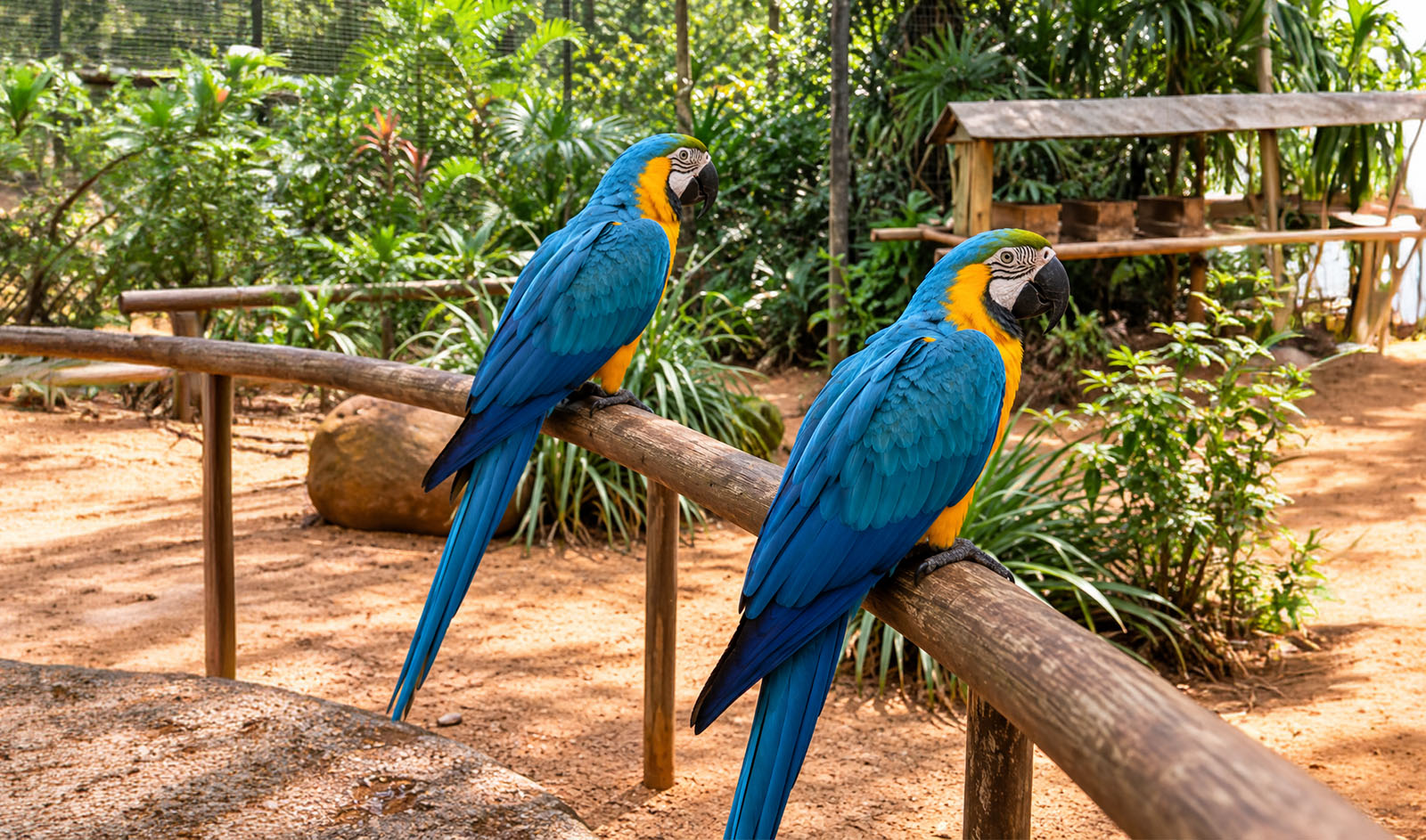
Next to Iguaçu National Park, the Bird Park It is another reference point when the subject is the fauna and flora of Foz do Iguaçu.
This is an institution dedicated to the conservation of species from the Atlantic Forest, with immersive aviaries where visitors walk side-by-side with birds in a near-natural environment — including aviaries such as the Toucan World, the Macaw World, and the Butterfly and Hummingbird World.
The Bird Park operates on a self-guided circuit and is primarily focused on close-up observation of birds.
For up-to-date ticket and schedule information, please refer to... official website of Parque das Aves
Itaipu: Discover the Bela Vista Biological Refuge

A Itaipu It also has an ecological trail. It's a tour. Itaipu Bela Vista Biological RefugeThis includes an easy 2 km hike through the Atlantic Forest, as well as planting a native tree seedling — a simple and direct way for visitors to actively participate in the conservation of the area.
The tour begins at Visitor Reception Center and continues in a special vehicle to the Refuge, where the visit is led by guides.
Along the way, the group learns about the history of the area — created during the construction of the power plant to protect fauna and flora impacted by the filling of the lake — and about the species reintroduction efforts developed there.
It is, therefore, a trail with an educational purpose, not just a contemplative one.
Since spaces at the Biological Refuge are limited, especially on holidays and during peak season, it is best to purchase your ticket in advance through [website/platform name]. official website of the Biological Refuge
What animals can be found at the Biological Refuge?
The Refuge is home to native species of the Atlantic Forest, many of which have been rescued or are undergoing rehabilitation, and also has a wildlife breeding center connected to the area.
In other words, it's common to spot birds, reptiles, and mammals typical of the region during the visit, always accompanied by guides who explain the behavior and history of each species.
Thus, more than just an observation tour, the visit functions as a practical lesson about Brazilian fauna — which reinforces the educational character of the ecotourism practiced there.
Other nature experiences in Foz do Iguaçu
In addition to the tours already mentioned, Foz do Iguaçu also offers other options that reinforce its profile as a nature-oriented destination — each with a slightly different focus:
- Eco Park Foz: Located next to the Dreams Park Show complex, it offers experiences such as birds of prey in flight and contact with animals in a farm environment, with a focus on environmental awareness.
- Iguassu Secret Falls: Hiking and waterfall tours off the beaten track, with half-day or full-day options, led by guides.
- AquaFoz: An aquarium showcasing species from the Paraná and Iguaçu river basins, with a self-guided tour and a focus on environmental education.
How to organize an ecotourism itinerary in Foz do Iguaçu
To fully enjoy ecotourism in Foz do Iguaçu, it's worth organizing your itinerary by combining different nature experiences on separate days, as each tour requires time for hiking and leisurely observation.
Eg
- A day dedicated to hiking trails and the powerful waterfalls at Iguaçu National Park. — combining it, if there's time, with a visit to the Bird Park, which is next door.
- A period — usually mid-morning or mid-afternoon — for the Itaipu Biological Refugeincluding a hiking trail, tree planting, and a guided tour.
- Depending on the time available, an extra day for other nature experiences, such as Eco Park Foz, AquaFoz or Iguassu Secret Falls.
In this way, the itinerary becomes more relaxed, without rushing between one excursion and another, and each nature experience gets the time it deserves.
Foz do Iguaçu is more nature than you might imagine.
Among the trails of the Atlantic Forest, native fauna, and real conservation projects, ecotourism in Foz do Iguaçu goes far beyond the Falls — and the Bela Vista Biological Refuge, run by Itaipu, is one of the most complete chapters of this experience.
After all, few tours allow you to walk, plant a tree, and learn about environmental conservation all in the same itinerary.
Secure your ticket in advance and experience this firsthand: Check out the Itaipu Biological Refuge
FAQ - Frequently Asked Questions
- What is ecotourism in Foz do Iguaçu?
It is tourism focused on observing local nature, with an educational emphasis — trails, fauna and flora in preserved areas such as the Iguaçu National Park and the Itaipu Biological Refuge.
- Does Itaipu have an ecological trail?
Yes. The Itaipu Biological Refuge tour includes an easy 2 km trail through the Atlantic Forest, as well as the planting of a native tree.
- How long does a visit to the Biological Refuge last?
The current tour duration is approximately 2 hours and 30 minutes, from Wednesday to Monday, and is suitable for all ages.
- What animals can I see at the Itaipu Biological Refuge?
Native species of the Atlantic Forest, many rescued or undergoing rehabilitation.
- Do I need to buy my ticket for the Biological Refuge in advance?
Yes, it is recommended. Spaces are limited, especially on holidays and during peak season, so booking in advance through the official website avoids unforeseen problems.
- What trails are there in Iguaçu National Park?
The park features several trails, such as the Cataratas Trail, the Poço Preto Trail, the Ytepopo Trail, the São João Circuit, and the Canafístula Trail, with varying lengths and difficulty levels.
- Is the Bird Park the same attraction as the Itaipu Biological Refuge?
No. They are complementary experiences: the Bird Park is a self-guided circuit of immersive aviaries, while the Biological Refuge is a guided trail with tree planting and a focus on the reintroduction of species impacted by the formation of Lake Itaipu.