As nuclear power plants in Angra dos Reis They are part of one of the most technologically advanced and strategically important energy complexes in Brazil.
Located on the southern coast of Rio de Janeiro, between the sea and the Atlantic Forest, they arouse curiosity both for the level of engineering involved and for the debate surrounding nuclear energy in the world.
So, for those visiting the Itaipu Hydroelectric Power Plant If you are interested in large infrastructure projects, learning about the history and operation of the Angra dos Reis power plants is a way to broaden your perspective on the Brazilian energy matrix and understand how different technologies contribute to supplying the country.
But how exactly does a nuclear power plant work? Is it safe? Is it possible to visit the nuclear power plant in Angra dos Reis?
Keep reading and find out!
Where are the Angra dos Reis Nuclear Power Plants located and what are they used for?
The Brazilian nuclear complex is located in Angra dos Reis (RJ), a strategic region between Rio de Janeiro and São Paulo, two of the country's largest energy-consuming centers.
Currently, Brazil has two units in operation: the Angra 1 Nuclear Power Plant (in operation since 1985) and the Angra 2 Nuclear Power Plant (in operation since 2001).
Thus, together, the nuclear power plants in Angra dos Reis are responsible for about 3% of the energy consumed in Brazil.
The main function of these power plants is to generate electricity through the nuclear fission process of uranium.
In other words, the controlled splitting of atoms releases heat, which heats the water, produces steam, and powers turbines connected to electric generators.
Therefore, when asked "what is the purpose of the Angra dos Reis nuclear power plant?", the answer is clear: to guarantee a continuous generation of electricity, regardless of rain, wind, or sun.
How does the Angra dos Reis Nuclear Power Plant work?
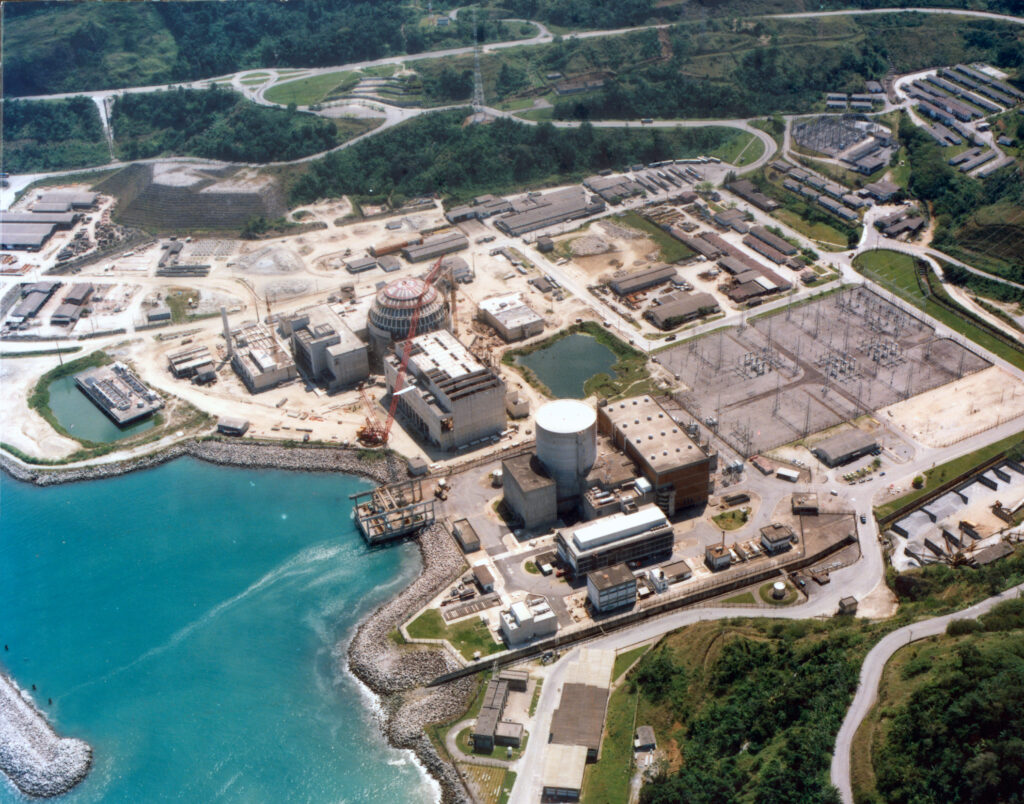
To understand how the Angra dos Reis nuclear power plant works, it is important to understand the type of reactor used.
Thus, Angra 1 and Angra 2 use PWR (Pressurized Water Reactor) type reactors, which operate with pressurized water to control the fission process. This is the most widely used model in the world.
So, unlike the Chernobyl reactor, which used graphite and had a different type of structural design, the PWR system has multiple layers of containment:
- Fuel pellets with a molecular barrier
- Special metal pipes
- Steel pressure vessel
- Concrete and steel retaining structure
These successive barriers are intended to prevent radioactive material from being released into the environment.
Furthermore, because they are located near the sea, the plants use water, which does not come into contact with the radioactive material, to cool the system.
Safety: Risks and Protocols at the Angra dos Reis Power Plant
The topic of nuclear power naturally raises concerns because, although the probability of a severe accident is considered extremely low according to the nuclear industry, the potential impact is high, which requires rigorous protocols.
For this purpose, the nuclear power plants in Angra dos Reis rely on:
- Constant environmental monitoring
- Emergency plans with periodic simulations.
- Training with Civil Defense and Armed Forces
- Planned evacuation zone in case of emergency.
Following accidents like Fukushima, additional structural and operational safety reassessments were carried out at the Brazilian complex.
Another relevant point is the storage of spent nuclear fuel, which remains radioactive and is kept in deep, monitored pools located within the containment structures.
Angra 1 and Angra 2: Differences and Strategic Importance
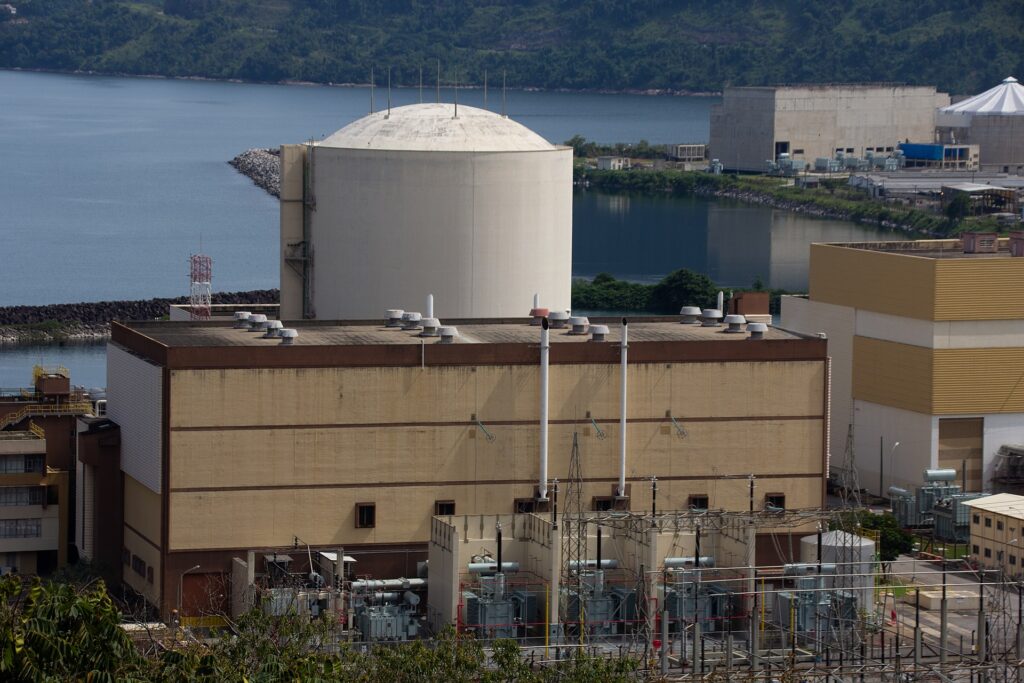
Angra 1 was the first nuclear power plant in Brazil and its license to continue operating has been renewed.
The Angra 2 nuclear power plant, on the other hand, has a larger installed capacity and more recent technology.
There is also the Angra 3 project, which has partially completed construction and is under discussion regarding its resumption.
Thus, from a strategic point of view, Brazil possesses a rare characteristic: it masters the complete nuclear energy cycle, from uranium reserves to enrichment technology.
This puts the country in a unique position on the international stage.
Nuclear Power vs. Hydroelectric Power: Comparisons
Although they operate on completely different principles, both hydroelectric and nuclear power plants play an important role in the energy matrix.
So, while Itaipu is responsible for approximately 15% of the energy consumed in Brazil, the Angra power plants account for about 3%.
Thus, the main difference lies in the primary source:
- Hydropower plants utilize the force of water.
- Nuclear power plants utilize uranium fission.
Neither emits greenhouse gases during energy generation, but they face different environmental challenges.
Therefore, for visitors to Itaipu, understanding the workings of other energy complexes, such as Angra, broadens their perspective on the different models of power generation in the country.
Is it possible to visit the Nuclear Power Plant in Angra dos Reis?
Unlike the Itaipu Dam, which has a well-structured tourist complex with multiple tour options, visits to the nuclear power plant in Angra dos Reis are extremely restricted for safety reasons.
However, there are information centers and educational initiatives promoted by Eletronuclear, aimed at disseminating scientific information and educating the public about the operation and safety protocols of the power plants.
Access to operational areas is controlled, and there is no open tourism as there is at hydroelectric power plants.

Nuclear Energy and the Future of Brazil
Nuclear energy presents both advantages and challenges.
Thus, among the advantages are:
- Continuous generation, independent of the weather.
- Low carbon emission
- High energy density
As for the challenges, we have:
- High cost of deployment
- Radioactive waste management
- Social debate on risks
Furthermore, Brazil constantly debates whether or not to expand its nuclear capacity, especially in light of decarbonization goals and the need for stability in energy supply.
Finally, for those interested in large infrastructure projects, both the Itaipu Dam and the Angra nuclear power plants represent technological milestones in Brazilian engineering.
While Itaipu offers a complete tourist experience, Angra symbolizes the level of complexity and operational criticality involved in nuclear energy.
Therefore, exploring content about different power plants helps to understand how Brazil balances renewable, hydroelectric, and nuclear energy sources to ensure energy security.
So, did you enjoy learning more about the nuclear power plants in Angra dos Reis?
So keep following along Itaipu Tourism blog to discover other major energy complexes in Brazil and deepen your knowledge of engineering, sustainability, and innovation in the national electricity grid!
Images: Wikimedia