O sustainable tourism It arises as an idea to balance the repercussions caused by the movement of tourism.
After all, this is a segment directly linked to economic, cultural and environmental factors.
In other words, when we think about tourism we also need to look at the impacts caused by it – both positive and negative.
For example, if on the one hand there is a large flow of visitors, on the other hand there is a greater generation of waste. Therefore, it is necessary to balance the situations.
See everything about it here sustainable tourism and how it operates in the Foz do Iguaçu and Triple Border region.
Come on?
What is sustainable tourism?
O sustainable tourism can be understood as a way to create economic, social, cultural and environmental benefits in a region, all at the same time.
Thus, the objective is to ensure that the actions are positive for everyone those involved in the process.
In other words, there are economic gains, but there is also appreciation of local culture, respect for environmental diversity, community involvement and long-term awareness.
Therefore, all activities are planned with a look to the future, generating growth and stability for the population.
But, after all, how can we make tourism sustainable?
The response may include actions such as:
- Strictly follow current legislation, incorporating good practices inside and outside companies
- Collaborate to generate jobs and income for the community, providing fair and equal opportunities
- Value cultural and environmental heritage, respecting traditions and protected areas
- Stimulate learning through socially responsible projects, contributing to tolerance of diversity
With this, we understand that the sustainable tourism includes care that must be taken by visitors, residents, agencies, hotels, authorities and anyone involved in the sector.
And in this case, it is necessary to mention that it goes beyond the Ecotourism, since it encompasses not only the environmental issue.
Foz do Iguaçu as a Sustainable Tourism Destination in Brazil

When talking about sustainable tourism in the country We must remember actions capable of generating social and economic impact and, furthermore, captivating the involvement and progress of the community.
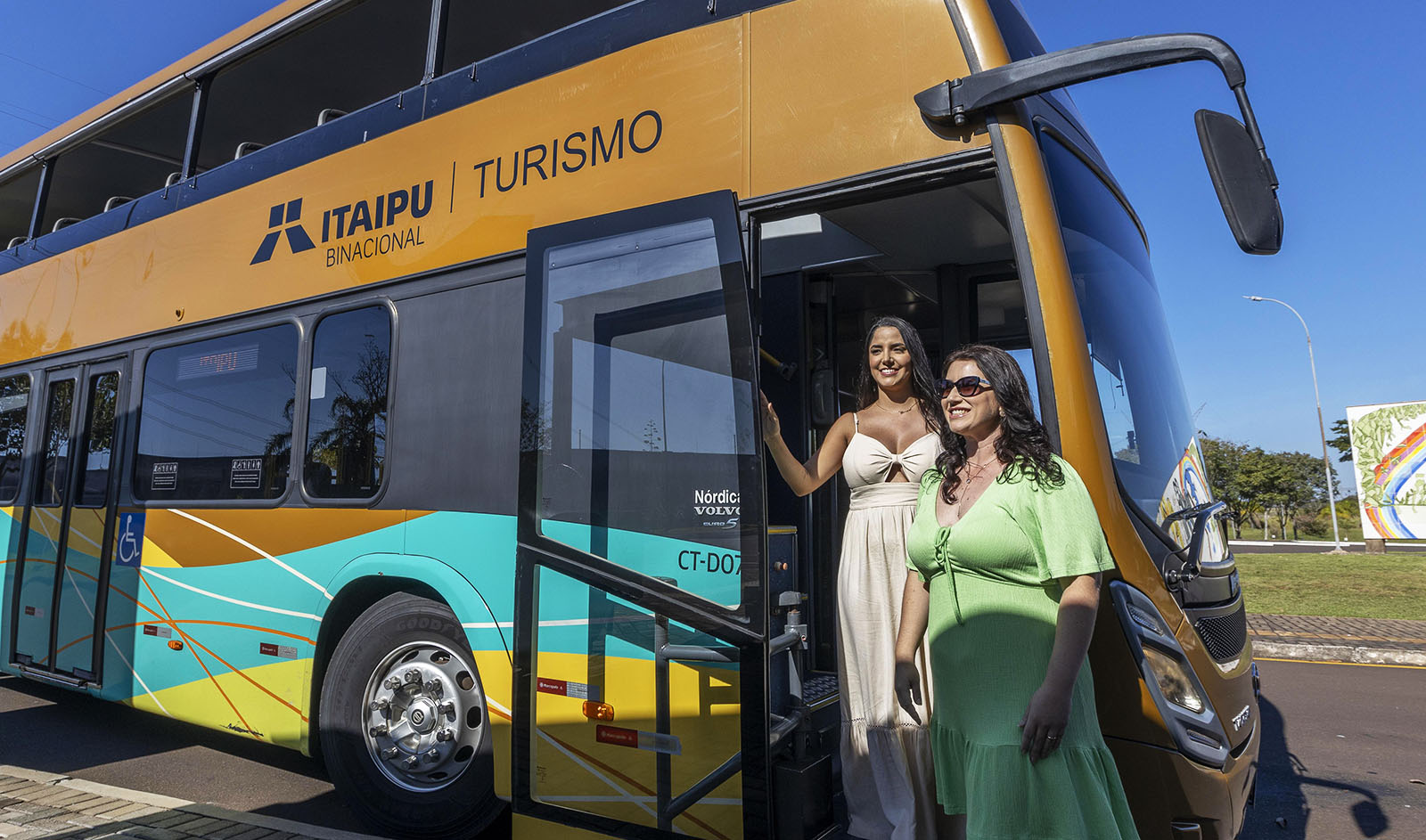
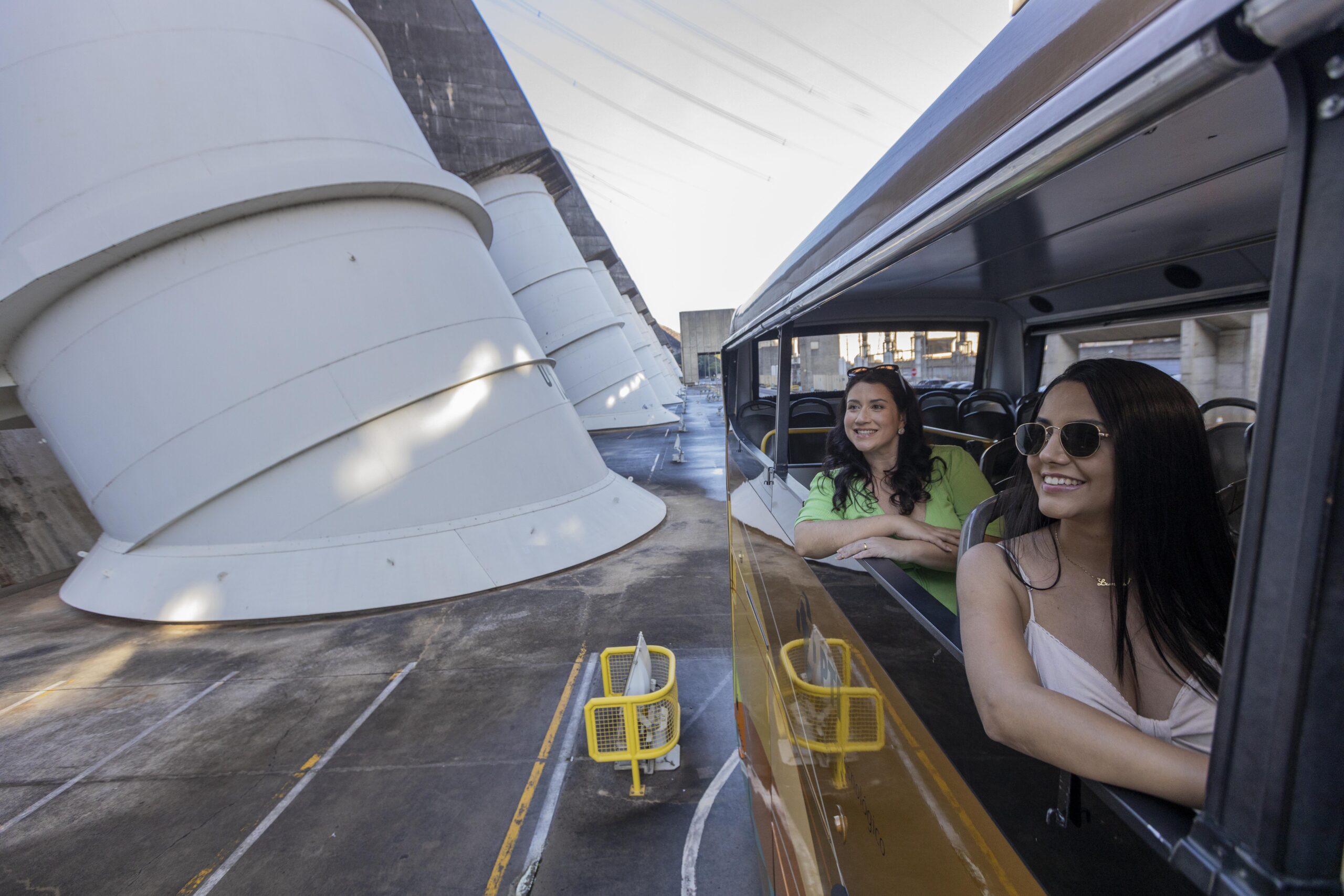
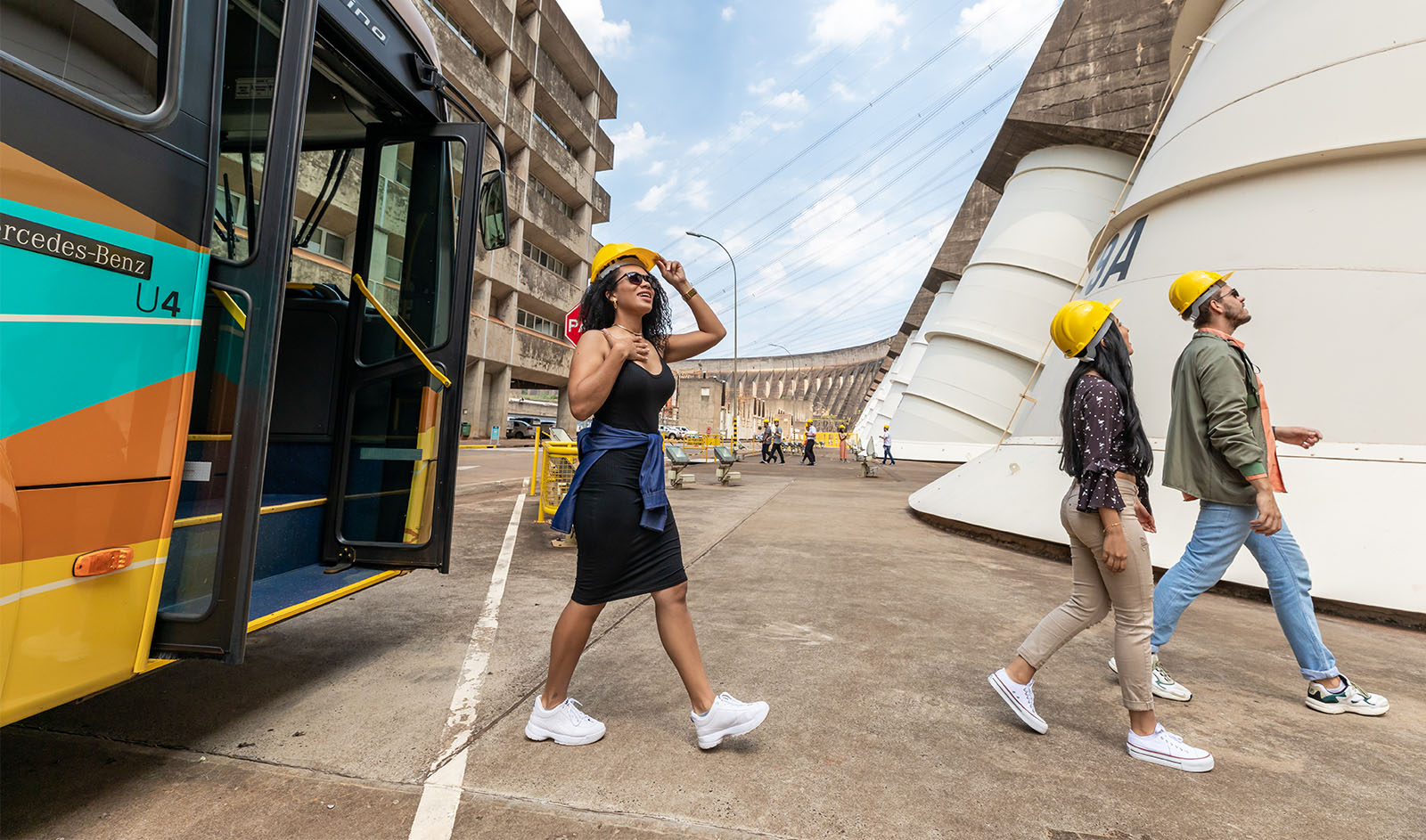
And as proof of this we have the Itaipu Tourism that, far beyond tourist attractions, the complex adopts a management model that actively contributes to the development of the region.
Thus, it develops actions such as:
- Use of electric vehicles
- Encouraging sustainable agriculture
- Activities with indigenous communities
- Responsibility for sanitation in the region
- Activation of reserves and shelters
- Education and citizenship programs
Furthermore, there is constant promotion of tourism in the region, contributing to the generation of jobs, entrepreneurship and social transformation.
How to Plan a Trip with a Focus on Sustainable Tourism
More than discussing What is the importance of sustainable tourism?, you need to put it into practice!
So, how can you adopt a sustainable approach when exploring new destinations?
Let's find out!
Know your Destiny
When searching the best places to travel, don't choose just because of the beauty of the destination.
So, the tip is to look for specialized websites about actions carried out in the community, environmental seals and certifications that signal the seriousness with which sustainable tourism is carried out in the location.
Attention to Accommodations
Care in choosing also applies to hotels e inns.
So, here it is worth checking practices such as dividing and recycling waste, involvement with the community and even encouraging habits such as: turning off the lights, not using too much water and making good use of paper and towels.
Adopt Sustainable Behaviors
The recommendation may begin with the adoption of a sustainable transport, such as walking, cycling and public transport.
Also, take a water bottle reusable on walks, use reusable bags for shopping and dispose of your trash always in the trash.
Consume Community Products
experience the handicraft and gastronomy of the place are ways of valuing the culture of the destination.
So, when you travel, take a little bit of history with you, through the work of local artisans and talents.
In that case, the purchases can extend beyond crafts, helping to boost the city’s commerce – and the entire sustainable tourism chain in Brazil.
Respect the Environment

In addition to traditional recommendations, such as not throwing trash on the street, it is necessary to pay attention to what is already at the destination and also to preservation actions.
In other words, do not remove plants, shells and stones from your place of origin, as these items are part of native nature, and do not feed the animals.
Furthermore, planting trees is another fundamental way of preserving and conserving the environment.
In fact, the practice takes place in Biological Refuge Tour of Itaipu Tourism, being a reference for having already received an award for sustainable tourism that, without profit, takes the operation and returns to society, serving schools, universities, etc.
Experience Local Culture
Have you ever imagined attending a show with local bands, a religious festival or a gastronomic festival?
All of this is part of the local culture and reflects what sustainable tourism is.
Therefore, learn about customs, slang, personalities and monuments to live an even richer and more powerful experience.
And of course, respect traditions and religious or historical places.
Experience Sustainable Tourism
Experiencing and sharing information about sustainable tourism in Brazil is also an important part of promoting the practice in the country.
To do this, when creating your travel itinerary, include natural parks, animal refuges, historical museums, markets and places involved in the practice of sustainable tourism.
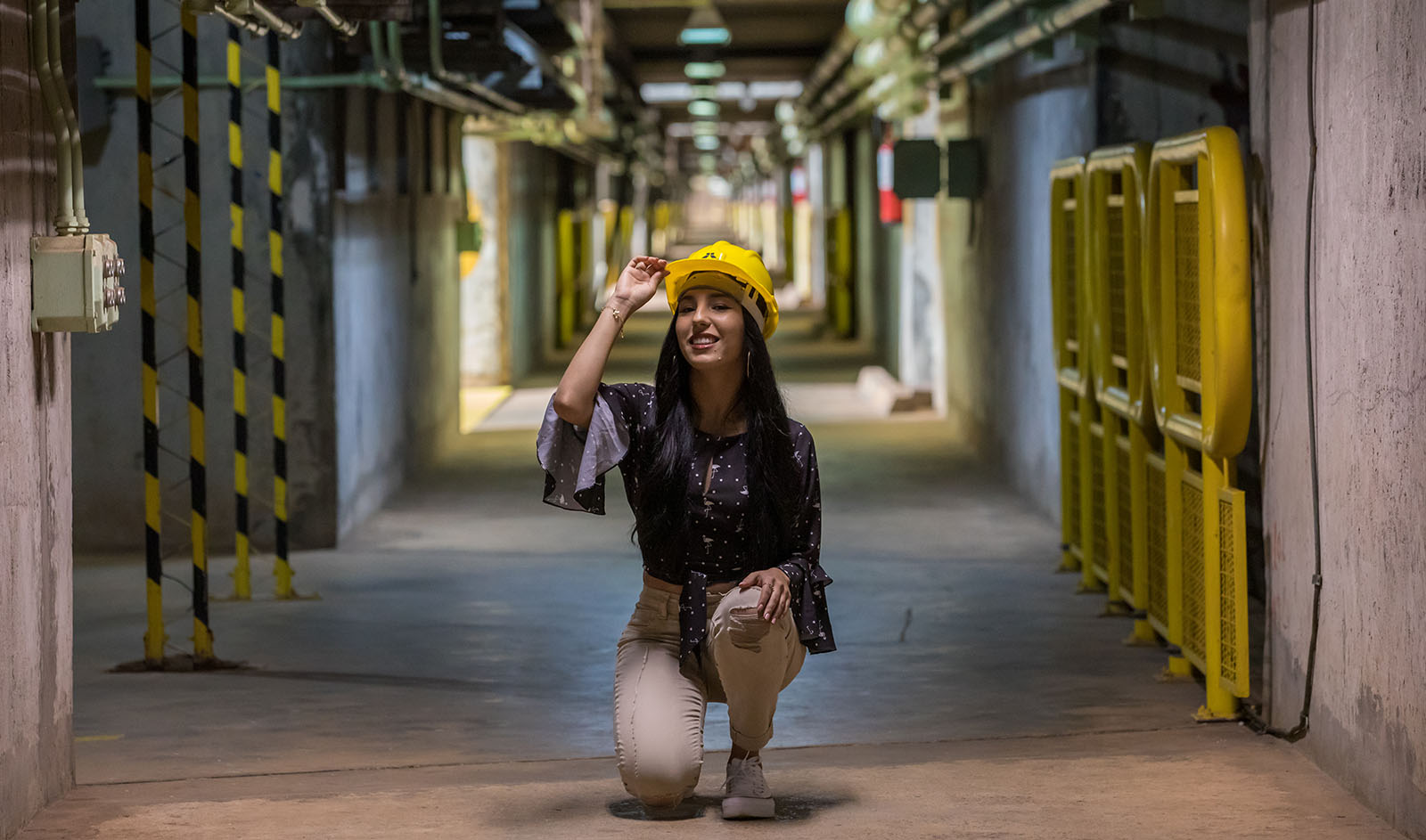
O Itaipu Tourist Complex is an example, offering tours in Foz do Iguaçu and region that encompasses entertainment and education for residents and visitors. How about that?

So, are you ready to explore sustainable tourism destinations?
Images: Alexandre Marchetti | Itaipu Binacional and Freepik